As an Amazon Associate I earn from qualifying purchases
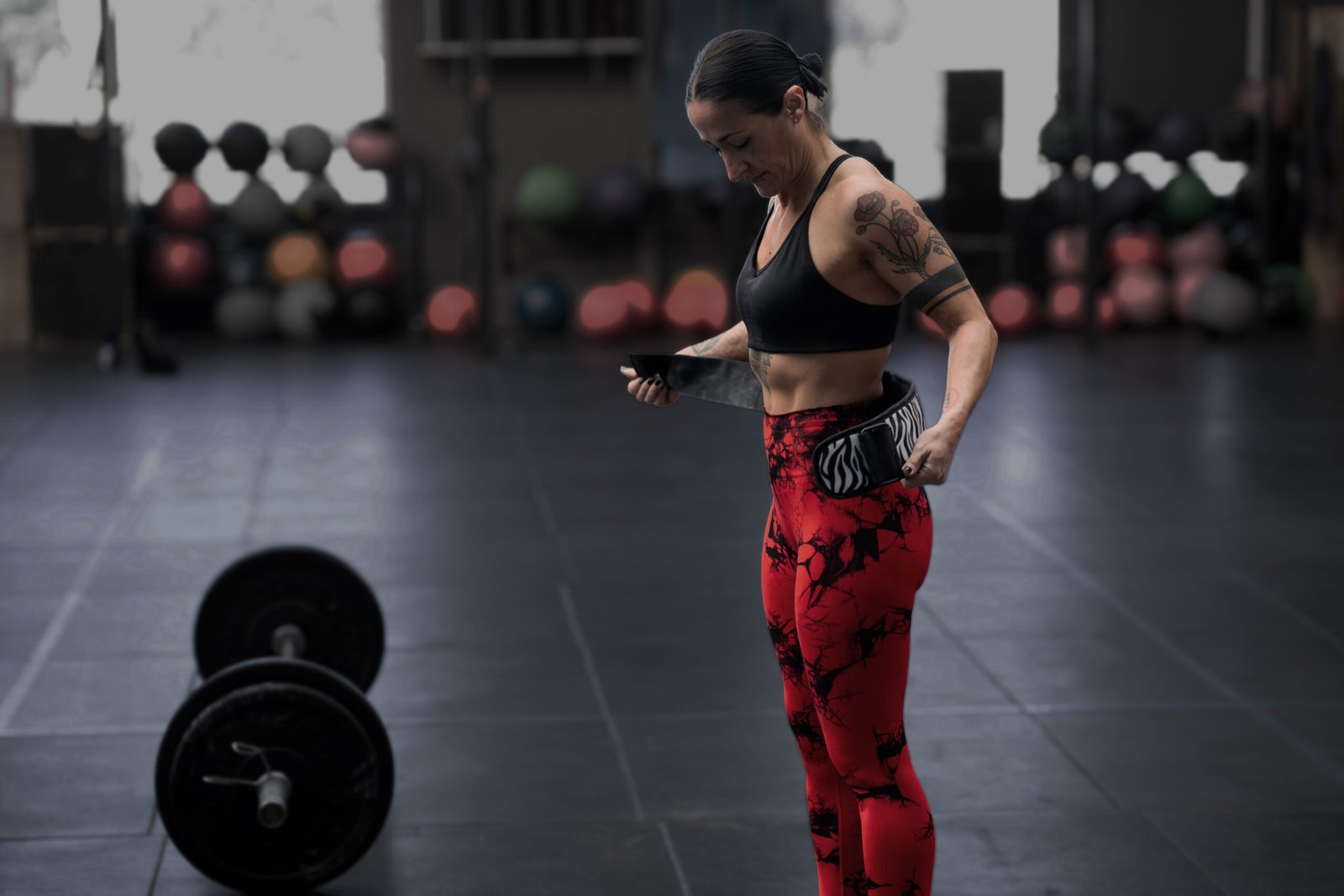
Walk into any gym and you’ll see lifters wearing a variety of belts. Some are thick leather powerlifting belts, others are lightweight nylon belts, and some have lever buckles that look like they belong on a piece of industrial machinery.
So which one is right for you?
The truth is that different lifting belts are designed for different styles of training. A CrossFit athlete performing clean and jerks has very different needs from a powerlifter attempting a one-rep max squat.
In this guide, we’ll explain the different types of lifting belts, who they’re designed for, and some of the most popular options available today.
Why Do Lifters Wear Belts?
A lifting belt isn’t there to replace your core.
Instead, it helps increase intra-abdominal pressure, giving your torso more stability during heavy lifts. This can improve bracing and provide additional support during exercises such as squats, deadlifts, overhead presses, cleans, and strongman movements.
Most coaches recommend using a belt primarily during heavy compound lifts rather than wearing one throughout an entire workout.
1. Nylon Velcro Belts
Best For:
- CrossFit
- Functional Fitness
- Olympic Weightlifting
- Beginners
Nylon belts are lightweight, flexible, and quick to adjust between movements. This makes them popular among CrossFit athletes who move rapidly between squats, gymnastics movements, rowing, kettlebells, and Olympic lifts. They provide support without restricting movement.
Advantages:
- Lightweight
- Comfortable
- Easy to tighten and loosen
- Great for dynamic workouts
Disadvantages:
- Less support than leather belts
- Velcro eventually wears out
- Not typically used in powerlifting competitions
Strength Shop notes that Velcro belts are particularly popular among weightlifters and CrossFit athletes due to their adjustability and flexibility.
2. Double-Prong Leather Belts
Best For:
- Powerlifting
- Strongman Training
- Heavy Strength Work
Double-prong belts use two metal pins rather than one. Many lifters appreciate the feeling of extra security, particularly when lifting maximal loads.
Advantages:
- Extremely secure
- Durable
- Excellent support
Disadvantages:
- Slower to put on
- More difficult to adjust
- Can be frustrating between sets
Strength Shop highlights that double-prong belts are particularly popular among competitive powerlifters looking for additional security during heavy attempts.
3. Lever Belts
Best For:
- Competitive Powerlifting
- Heavy Squats
- Heavy Deadlifts
- Advanced Lifters
Lever belts are considered the gold standard for many powerlifters. Instead of a buckle, they use a metal lever mechanism that locks the belt into position. Once adjusted to your preferred size, the belt can be opened and closed in seconds.
Advantages:
- Extremely supportive
- Quick to put on and remove
- Consistent fit every session
- Competition friendly
Disadvantages:
- More expensive
- Less adjustable during workouts
- Heavier than nylon belts
Powerlifting belts are typically 10mm to 13mm thick and are designed specifically to maximise support during heavy lifting.
Recommended Belts:
Strength Shop 10mm Lever Belt
The Strength Shop 10mm Lever Belt is one of the most respected belts in the UK strength community. It is IPF-approved and designed to provide support without feeling overly restrictive. Strength Shop’s lever belts are widely used by competitive powerlifters and strength athletes.
Final Verdict
If you’re new to lifting, start with a quality nylon belt like the Element 26 or Gymreapers Quick Locking Belt.
If you’re focused on strength training and bodybuilding, a leather single-prong belt offers the best balance of support and versatility.
If you’re serious about powerlifting and chasing personal records, a lever belt such as the Strength Shop 10mm Lever Belt is difficult to beat.
Ultimately, the best belt is the one that matches your training style. A CrossFit athlete doesn’t need the same belt as a competitive powerlifter, and choosing the right tool for the job can make your training safer, more comfortable, and more effective.